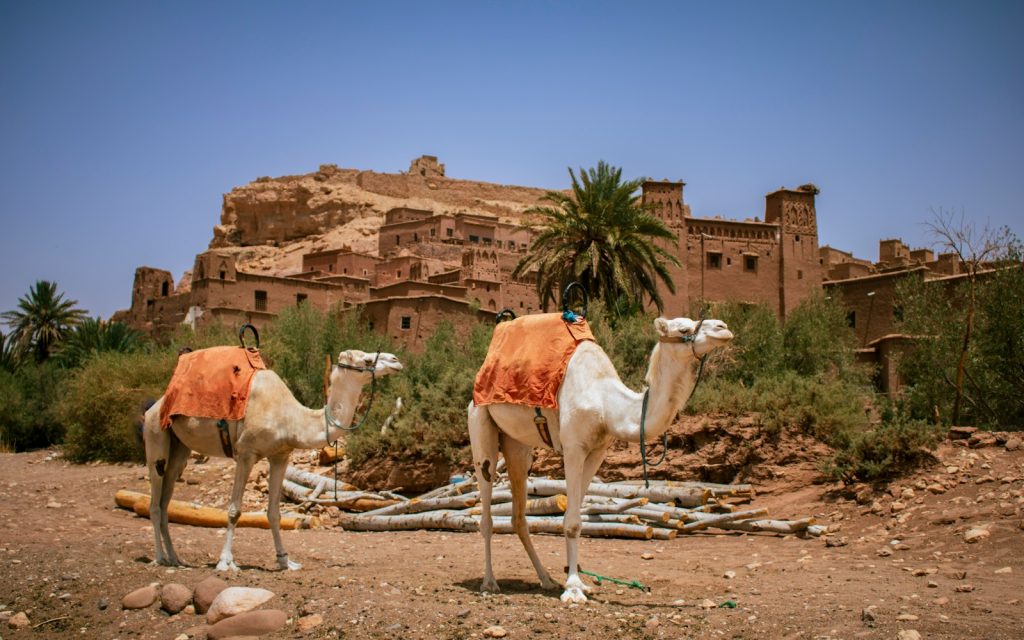
If you have only three days, the 3-day Fes to Merzouga desert tour is the best way to experience the Sahara. In 72 hours you cross the Middle Atlas, drive through palm-filled valleys, ride a camel into the Erg Chebbi dunes at sunset, and sleep in a Berber desert camp under the stars. This guide covers the full itinerary, realistic prices, what to pack, and how to choose a trustworthy operator.
Quick Answer: What Is the Best 3-Day Tour from Fes to the Desert?
The best 3-day tour from Fes to the Sahara is a small-group or private trip to Merzouga that includes:
- A sunset camel trek into the Erg Chebbi dunes
- One night in a desert camp (standard or luxury)
- Stops at Ifrane, the Azrou Cedar Forest, the Ziz Valley, Todra Gorge and the Dades Valley
- A final day ending in Marrakech (one-way) or Fes (round trip)
- Dinner and breakfast included, with an experienced local driver-guide
Typical price: €90 to €150 per person for shared groups, €200 to €400+ for private or luxury versions.
Best season: October to April.
Total driving: roughly 1,000 km over three days, so expect long hours in the vehicle.
Why Choose a 3-Day Tour from Fes?
Fes is one of the best starting points for a Sahara trip. It sits in the north of Morocco, so travelers coming from Europe, Chefchaouen or Casablanca can join without backtracking. The route also takes you through landscapes you would miss on a direct flight or a shorter trip: cedar forests, mountain passes, gorges and palm oases.
Three days is the sweet spot for many travelers. A two-day trip means almost nonstop driving, while four or five days is better if you want a slower pace, but not everyone has the time. Three days gives you one proper desert night, two scenic gorges and a full crossing of the country’s most dramatic terrain.
Day-by-Day Itinerary: Fes to Merzouga and Beyond
Day 1: Fes to Merzouga (about 9 to 10 hours with stops)
Most tours leave Fes around 7:30 to 8:00 am. The first part of the drive heads south into the Middle Atlas Mountains.
Ifrane. Your first stop is often Ifrane, a tidy mountain town with alpine-style roofs and clean, tree-lined streets. Its nickname, “Little Switzerland,” makes it a popular photo stop, and it is a good place for a coffee break.
Azrou Cedar Forest. Next, the road passes through some of the largest cedar forests in North Africa. This is one of the best places in Morocco to see Barbary macaques in the wild. Bring a few snacks for yourself, but avoid feeding the monkeys, as it harms them.
Midelt and the Ziz Valley. After a lunch stop in Midelt or along the route, you cross the Tizi n’Talghemt pass and enter the Ziz Valley. The landscape changes quickly: red rock walls, a long green ribbon of palm trees, and mud-brick villages. The Ziz Gorges make a great photo stop.
Merzouga and the Erg Chebbi dunes. You arrive in Merzouga in the late afternoon, where dunes rise to around 150 meters. Here you meet your camel guide and set out on a sunset camel trek of about one hour to your desert camp.
Night in the desert. Camps usually serve a Moroccan dinner (tagine is the classic), followed by Berber drumming around a fire. With almost no light pollution, the stargazing here is excellent on clear nights.
Day 2: Sunrise, Rissani, Todra Gorge and the Dades Valley
Sunrise in the dunes. Wake early to watch the dunes change from gray to orange and gold. This is often the most memorable moment of the trip. After breakfast, you ride your camel back to the village, where your driver is waiting.
Rissani. Many itineraries include a short stop in Rissani, a historic oasis town and traditional market center. It was once a major caravan hub and is the ancestral seat of the Alaouite dynasty, which still rules Morocco.
Todra Gorge. Next you drive to Todra Gorge, near Tinghir, where limestone cliffs rise up to about 300 meters on either side of a narrow canyon. It is easy to walk along the riverbed, and the temperature drops noticeably in the shade, which is a welcome break after the desert.
Dades Valley. You finish the day in the Dades Valley, often called the “Valley of a Thousand Kasbahs.” The road winds past rose-colored rock formations, including the famous “monkey fingers,” and the evening is spent in a guesthouse or hotel with dinner included.
Day 3: Dades Valley to Marrakech (or back to Fes)
Skoura and Ouarzazate. The final day begins with a drive through the Skoura palm grove, with its crumbling kasbahs, and on to Ouarzazate, sometimes called the “Hollywood of Morocco” because of its film studios.
Aït Benhaddou. The highlight of the day is Aït Benhaddou, a fortified village (ksar) listed as a UNESCO World Heritage Site. Its earthen buildings have appeared in films and television series, including Gladiator and Game of Thrones. A local guide can walk you up to the top for views across the valley.
Tizi n’Tichka and Marrakech. The tour then climbs the Tizi n’Tichka Pass, one of the highest mountain roads in Morocco at about 2,260 meters, before descending into Marrakech in the early evening. Expect roughly 8 to 10 hours of travel.
Prefer to return to Fes? A round trip is possible, but the third day becomes a very long 10 to 11 hours of driving. If you need to return to Fes, ask the operator for the exact route and timing before you book.
How Much Does a 3-Day Fes to Sahara Tour Cost?
Prices change by season, group size and camp quality. Here is a realistic range:
| Tour type | Typical price per person | What to expect |
|---|---|---|
| Shared group (budget) | €90 to €120 | Larger minivan, standard camp, shared tent |
| Shared group (mid-range) | €120 to €170 | Small group, better hotel, private tent |
| Private tour | €200 to €400+ | Your own driver, flexible stops |
| Luxury camp upgrade | €60 to €200+ extra | Ensuite bathroom, real beds, nicer food |
Always confirm what is included: transport, one night in camp, one night in a hotel, dinner, breakfast, camel trek, and entrance fees. Lunches, drinks and tips are usually extra.
Standard Camp vs. Luxury Camp: Which One Should You Pick?
Standard camps are simple and atmospheric: shared bathrooms, thick blankets, and a communal dining tent. They suit budget travelers and anyone who wants an authentic experience.
Luxury camps offer private tents with real beds, ensuite showers and sometimes heating, which is worth considering in winter, when desert nights can drop close to freezing. If you are traveling as a couple, with family, or you simply value comfort, the upgrade is usually worth the extra money.
Best Time to Take the Desert Tour from Fes
- October to April: The best period. Days are warm and nights are cool to cold. Pack warm layers from November to February.
- May and September: Possible, but expect hotter days.
- June to August: Merzouga often exceeds 40°C, and some travelers find the heat uncomfortable. If you go, choose a camp with air conditioning or a fan and start early each day.
- Spring: Occasional sandstorms can reduce visibility, so build some flexibility into your plans.
What to Pack for a 3-Day Sahara Tour
Large bags usually stay in the vehicle, so pack a small overnight bag for the camp:
- Warm layers and a light jacket (the desert gets cold after sunset)
- A scarf or shesh for sun and sand
- Sunglasses, sunscreen and a hat
- Closed shoes you can walk in on sand
- A power bank and a headlamp or flashlight
- Wet wipes, toilet paper and a small towel
- Cash in dirhams for tips and snacks
- Any motion sickness medication, since mountain roads have many curves
How to Choose a Trustworthy Tour Operator
Because many companies offer almost identical itineraries, quality can vary a lot. Look for these signs:
- Recent, detailed reviews on Tripadvisor, GetYourGuide, Viator or Google. Read the three-star reviews as well as the five-star ones.
- Transparent pricing that states exactly what is included and excluded.
- Small group size (4 to 8 people is ideal) and a modern, air-conditioned vehicle.
- A real, named camp instead of a vague promise of “a desert camp.”
- Clear communication before booking, ideally via email or WhatsApp.
- No pressure tactics. Avoid anyone selling tours aggressively in the Fes medina.
Tips to Make the Trip Easier
- Take a motion sickness precaution if you are prone to it. The mountain roads are winding.
- Start the day early. It makes the long drives more manageable.
- Bring snacks and water, especially on Day 1.
- Be respectful when photographing local people and always ask first.
- Keep some flexibility. Weather, road works or detours can change timings.
- Charge your devices when you can, as camp electricity is often limited.
Is the 3-Day Fes to Merzouga Tour Worth It?
For most travelers, yes. It is a long journey, but it gives you a remarkable cross-section of Morocco in a short time: cedar forests, canyons, oases, a UNESCO-listed ksar and a real night among the dunes. If you have more time, a 4-day itinerary reduces the daily driving and adds more stops, but the 3-day version remains the most popular option for good reason.
Frequently Asked Questions
How far is Fes from the Sahara Desert?
Fes is about 560 km from Merzouga, the gateway to the Erg Chebbi dunes. The drive takes roughly 9 to 10 hours with stops.
Is a 3-day desert tour from Fes too short?
It is long on driving but works well if you accept the pace. You get one full night in the desert and see the main highlights between Fes and Marrakech.
Do the tours end in Fes or Marrakech?
Most 3-day tours end in Marrakech. Round trips to Fes are available but involve a very long final day.
Is it safe to travel to the Sahara from Fes?
Yes. Organized tours through Merzouga are a well-established part of Moroccan tourism. Choose a licensed, well-reviewed operator, follow your guide’s advice and keep copies of your travel documents.
What should I wear in the desert?
Light, breathable clothing for the day and warm layers for the evening. Closed shoes and a scarf are useful in all seasons.
Can I book a private tour?
Yes. Private tours cost more but let you set your own pace, stop times and photo breaks.
Is the camel ride difficult?
No. The ride is about an hour each way, and guides help you mount. Some people find it slightly uncomfortable, so wear long, loose trousers.
Final Thoughts
The 3-day Fes to Sahara desert tour is a manageable, memorable way to see some of Morocco’s most striking landscapes. Pick a reputable operator, choose the camp that suits your comfort level, travel between October and April if you can, and pack for cold nights. Do that, and you will come home with the kind of photos and stories that make a Morocco trip.
Ready to go? Check availability with a trusted local operator, confirm what is included, and reserve early, as spots fill quickly in peak season.