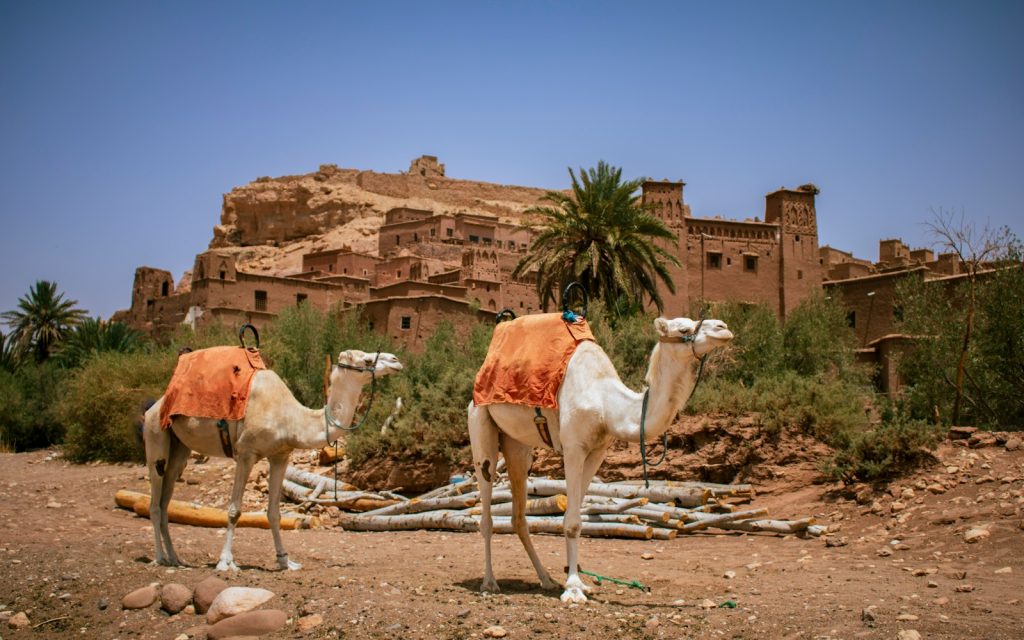
Why November in Morocco Is the Perfect Month to Visit? Yes. November is one of the best months to travel to Morocco. Daytime temperatures are comfortable in most regions (roughly 18-26°C / 64-79°F), the summer heat has faded, and crowds are lighter than in spring or over the December holidays. The Sahara is warm by day and cool at night, and the Atlas Mountains are still open for hiking before winter sets in. Rain is possible, mostly in the north and along the Atlantic coast, but sunny days are the norm.
Morocco in November at a Glance
- Weather: Mild and sunny in most regions, cooler at night
- Crowds: Moderate, fewer than in spring and around Christmas
- Prices: Good value on riads, tours, and desert camps outside holiday weekends
- Best for: Medina exploring, desert trips, hiking, food, and photography
- Public holidays in 2026: Green March Day (Friday, November 6) and Independence Day (Wednesday, November 18)
- Ramadan: Not in November 2026, so restaurants and attractions run on normal hours
1. Comfortable Weather Across Morocco
Morocco’s climate varies a lot by region, but November is a sweet spot almost everywhere. The table below shows approximate averages; real conditions vary year to year.
| Region | Daytime high | Night low |
|---|---|---|
| Marrakech | 22-24°C (72-75°F) | 9-11°C (48-52°F) |
| Fes | 19-21°C (66-70°F) | 8-10°C (46-50°F) |
| Casablanca | 20-22°C (68-72°F) | 12-14°C (54-57°F) |
| Essaouira | 20-21°C (68-70°F) | 13-14°C (55-57°F) |
| Agadir | 24-25°C (75-77°F) | 13-15°C (55-59°F) |
| Merzouga (Sahara) | 23-26°C (73-79°F) | 8-11°C (46-52°F) |
These are ideal conditions for walking the medinas of Marrakech and Fes, which can be exhausting in July and August. Mornings and evenings can feel chilly, so plan on layers.
Rain: November is the start of the wetter season, especially in the north (Tangier, Chefchaouen) and on the Atlantic coast. Showers are usually short. Pack a light rain jacket and keep your plans flexible.
2. Fewer Crowds and Better Value
November sits between the busy autumn and spring seasons and the December holiday peak. That usually means:
- Easier bookings at popular riads and guesthouses
- Shorter queues at sites like the Bahia Palace, Majorelle Garden, and the Hassan II Mosque
- More room to bargain and browse in the souks
- Better availability for desert tours and private drivers
The exception is the holiday weekends (see below), when domestic travel picks up and popular routes book out faster.
3. The Best Time for the Desert and the Outdoors
If a Sahara trip is on your list, November is a strong choice. Around Merzouga and Zagora, daytime temperatures are warm without the extreme heat of summer, and clear night skies make for excellent stargazing. Desert camps are comfortable, though nights get cold, so bring a warm layer.
For hiking, the Atlas Mountains are still accessible in early to mid-November. The Imlil valley, the Ourika valley, and the trails around Toubkal are popular. Snow can arrive at higher elevations by late November, so check conditions before you go and consider hiring a local guide.
4. National Holidays in Morocco in November 2026
Morocco has two public holidays in November:
- Green March Day (Friday, November 6): Marks the 1975 Green March. In 2026 it falls on a Friday, creating a three-day weekend.
- Independence Day (Wednesday, November 18): Celebrates Morocco’s independence. Since it falls midweek, many locals take a bridge day for a longer break.
Unity Day, a newer holiday introduced in 2025, falls on October 31, just before the month begins.
What it means for travelers: Banks, government offices, and some shops close. Tourist sites, restaurants, and cafés generally stay open, but hours can vary. Trains, buses, and popular hotels fill up faster around long weekends, so book early. You’ll often see flags and decorations in cities and towns, which adds to the atmosphere.
5. Seasonal Food and Local Culture
November is a good month to eat your way through Morocco. It’s citrus season, so oranges and clementines are sweet and inexpensive, and fresh orange juice stalls in Marrakech’s Jemaa el-Fnaa square are a highlight. Cooler evenings also suit Morocco’s classic comfort dishes:
- Tagine: slow-cooked stews of lamb, chicken, or vegetables
- Harira: a hearty tomato and lentil soup
- Couscous: traditionally served on Fridays
- Msemen and mint tea: a perfect cold-morning breakfast
On the events front, the Marrakech International Film Festival has traditionally been held in late November or early December. Dates change each year, so check the official schedule before you plan around it.
6. Best Places to Visit in Morocco in November
Marrakech: Comfortable for souks, gardens, and palaces, with warm days and cool evenings.
Essaouira: A relaxed, breezy coastal town with fresh seafood and a laid-back medina. Bring a jacket for the wind.
The Sahara (Merzouga): Camel treks, dune walks, and starry nights in pleasant temperatures.
Fes: The medina is easier to explore in mild weather. Give it at least two days.
The Atlas Mountains: Berber villages, valley hikes, and mountain views before the winter cold.
Chefchaouen: The blue city is beautiful, though rain is more likely. Go with waterproofs and patience.
Agadir and Taghazout: Warmer than most of the country, good for beach time and surfing.
7. Sample Itineraries
5 days: Marrakech and Essaouira
Spend three days in Marrakech (medina, Majorelle Garden, a hammam, a day trip to the Atlas), then two days in Essaouira.
7 days: Marrakech, Atlas, and the Sahara
Marrakech (2 nights), Aït Benhaddou and the Draa Valley (1 night), Sahara camp (1 night), Todra Gorge and the return route (2 nights).
8 days: The Imperial Cities Loop
Casablanca, Rabat, Chefchaouen, Fes, the Middle Atlas, the Sahara, and Marrakech. This is a full tour of Morocco’s highlights, and November’s weather makes the long drives more pleasant.
8. What to Pack for Morocco in November
- Layers: T-shirts, a sweater or fleece, and a light jacket
- A warm layer for desert nights and mountain mornings
- A compact rain jacket or umbrella
- Comfortable walking shoes (medina streets are uneven)
- Sunscreen, sunglasses, and a hat, since the sun is still strong
- Modest clothing that covers shoulders and knees, especially in smaller towns and religious areas
- A power adapter (Morocco uses European two-pin plugs)
9. Getting Around
- Trains: Morocco’s rail network (ONCF) connects Casablanca, Rabat, Fes, Tangier, and Marrakech, and it’s comfortable and affordable. Book ahead for holiday weekends.
- Buses: CTM and Supratours reach more destinations, including Essaouira and Chefchaouen.
- Private drivers and tours: Best for the desert, the Atlas, and multi-stop routes.
- Petit taxis: Useful in cities. Ask for the meter or agree on a price first.
10. Things to Keep in Mind
November isn’t perfect, so plan for a few trade-offs:
- Days are shorter, so sunsets come early in the evening.
- Rain can affect the north and coast.
- Nights in the desert and mountains are cold.
- Holiday weekends (November 6 and 18) mean busier transport and higher demand.
- Some mountain roads and passes may be affected by early snow.
Check the forecast a few days before you travel and stay flexible with your daily plans.
Frequently Asked Questions
Is Morocco hot in November?
No. Most regions are mild, with daytime highs of about 18-26°C (64-79°F). Nights can be cold, especially in the desert and mountains.
Is November a good time to visit the Sahara?
Yes. Days are warm rather than scorching, and skies are usually clear. Bring warm clothing for the evening.
Does it rain in Morocco in November?
It can, mainly in the north and along the Atlantic coast. Showers are usually short, and the south is drier.
Are there public holidays in Morocco in November?
Yes. Green March Day is on November 6 and Independence Day is on November 18. In 2026 they fall on a Friday and a Wednesday.
Is Morocco crowded in November?
Less so than in spring and December. Expect busier transport and hotels around the two holiday dates.
Is Ramadan in November?
Not in 2026. Ramadan is based on the lunar calendar and moves about 11 days earlier each year.
Final Thoughts
November gives you Morocco at its most welcoming: mild weather, calmer streets, warm desert days, and a calendar that includes two national holidays. Whether you want to wander the medinas, hike in the Atlas, or spend a night under Saharan stars, it’s a great time to go. Book early for the November 6 weekend, pack layers, and leave room in your schedule for a little rain.